



News & Information
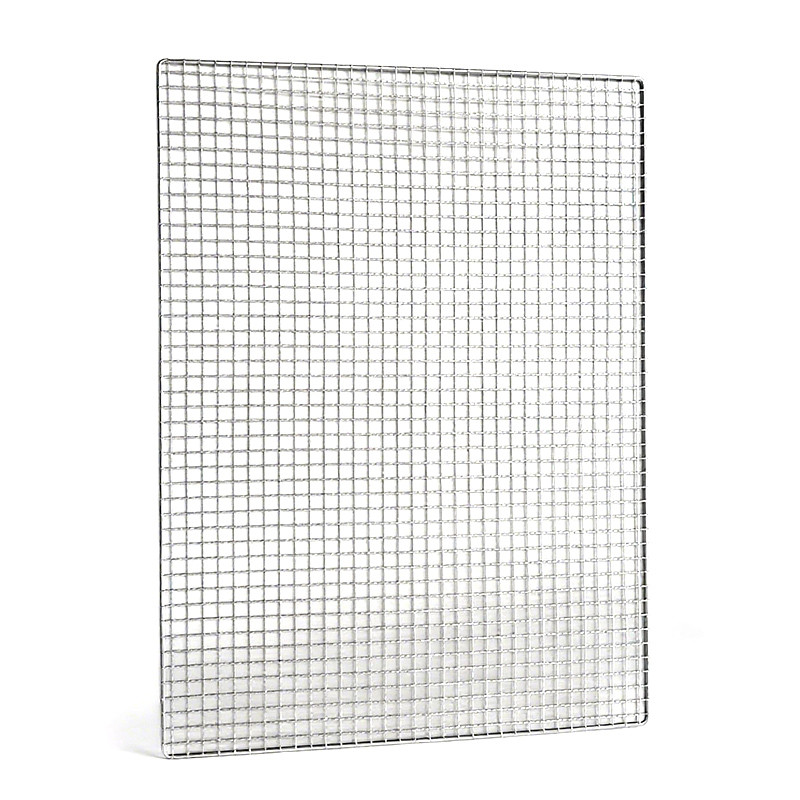
As a core barbecue tool, the condition of barbecue mesh directly impacts the taste and hygiene of your food. Many people prioritize mesh selection but neglect daily maintenance, leading to premature rust, deformation, or breakage. In fact, scientific maintenance methods can extend the lifespan of standard mesh by 3-5 times. This is especially true for materials like stainless steel and iron wire, where differences in maintenance directly determine performance stability. The following details tips for maintaining barbecue mesh before, during, and after use.
1. Pretreatment before use: "Build a solid line of defense" for the mesh
The initial maintenance of the newly purchased mesh is particularly critical, as this step can lay the foundation for subsequent use.
Stainless steel mesh: After unpacking, rinse the surface with warm water to remove any dust. Then wipe it with a soft cloth dipped in white vinegar to remove any residual industrial grease from the production process. After drying, lay the mesh flat on a grill and heat over low heat for 3-5 minutes. When the temperature reaches 60-70°C, use a brush to evenly apply a thin layer of oil (rapeseed or peanut oil), allowing it to penetrate the mesh crevices to form a protective film. After cooling, wipe off any excess oil with kitchen paper to complete the "open pot" maintenance. This oil film will effectively prevent sticking to the meat during subsequent use.
Wire/Galvanized Mesh: Due to its fragile nature, avoid contact with hard objects before use. Rinse with clean water and dry thoroughly. Then, use a cotton swab dipped in rust-proof oil to coat all welds and edges, as these are vulnerable areas to rust. If the mesh has a folding design, add 1-2 drops of cooking oil to the joints to prevent wear and tear from frequent folding.
2. Control details during use: reduce damage and avoid hidden dangers
Improper operation during the barbecue process is the main cause of mesh damage.
Control the temperature to avoid local overheating: When grilling over charcoal, place the mesh in an evenly distributed area to avoid prolonged exposure to open flames. If you notice a reddening spot on the mesh (temperature exceeding 600°C), remove the food or adjust the position of the charcoal. While stainless steel is heat-resistant, prolonged local overheating can lead to metal fatigue and deformation. Wire mesh can also melt the coating due to high temperatures, accelerating rust.
Avoid scratches and heavy pressure from hard objects: Use a silicone spatula or bamboo tool when turning ingredients, and avoid metal knives and forks scraping the mesh directly. This is especially true for wire mesh, as once the coating is damaged, rusting will occur 3-5 times faster. Also, avoid placing objects heavier than the mesh's capacity (such as a whole leg of lamb) on top. Thickened stainless steel mesh typically has a load capacity of no more than 5kg, while ordinary wire mesh is recommended to be within 2kg to prevent deformation.
Clean up dripping grease promptly: If dripping grease from meat accumulates on the bottom of the grill, it will carbonize under the high temperature and form charred deposits, which will be difficult to remove the next time you use it. Place a dripping pan under the grill or use a special scraper to clean it every 20 minutes to reduce grease residue.
3. Deep maintenance after use: key steps for cleaning and storage
The golden time for maintaining the mesh is within 1 hour after the barbecue. At this time, the mesh is still warm, the oil stains have not completely solidified, and it is easy to clean.
Material-based cleaning method
Stainless steel mesh: First, scrub the surface of the mesh to remove excess oil with a stiff brush dipped in warm water. Then, soak it in a 1:10 ratio of baking soda to water for 20 minutes (baking soda softens burnt stains without damaging the metal). Then, gently scrub the mesh crevices with copper wool. Finally, rinse with hot water and wipe dry. For stubborn burnt stains, sprinkle a layer of coarse salt on the damp mesh, let it sit for 10 minutes, then wipe with a lemon slice. The abrasive properties of the salt and the corrosive properties of the citric acid will remove the stain.
Wire/Galvanized Mesh: Do not use steel wool or strong acid cleaners to avoid damaging the coating. Gently scrub with a nylon brush dipped in soapy water. Grease in crevices can be removed with a toothpick wrapped in gauze. After cleaning, be sure to dry thoroughly with an absorbent cloth, paying particular attention to the mesh edges and welds. Even a drop of water can cause rust within 24 hours.
The "three-defense" principle of the storage environment
Moisture-proof: The storage location should be away from humid areas such as sinks and stoves. Place it in a storage box with a lid. A small packet of desiccant (such as silica gel desiccant) can be placed in the box and replaced once a month.
Pressure-resistant: Avoid placing heavy objects like pots and pans on the mesh, as prolonged pressure can cause the mesh to deform. Stainless steel mesh can be hung on the wall (using a dedicated hook). Wire mesh should be laid flat on a dry rack with a layer of newspaper underneath to absorb moisture.
Anti-oxidation: When not in use for a long time (such as in winter), the mesh needs to be "sealed and maintained": the stainless steel mesh can be coated with a thin layer of oil and then wrapped with plastic wrap; the wire mesh needs to be coated with an extra layer of anti-rust oil and then placed in a sealed bag to isolate it from air contact.
4. Emergency treatment of special problems: saving damaged mesh
Even with proper maintenance, minor problems may still occur in the mesh. Prompt treatment can prevent further damage:
Slight rust: Stainless steel mesh can be soaked in white vinegar for 15 minutes and then scrubbed; the rust will fall off with the acid. If the rust area of wire mesh is less than 1cm², it can be lightly polished with fine sandpaper and then coated with anti-rust oil. If the rust spreads, it is recommended to replace it to prevent rust from contaminating food.
Local deformation: When the stainless steel mesh is slightly deformed, you can put it on a flat table and tap it gently with a rubber hammer to restore it to its original shape (avoid using an iron hammer to prevent new scratches). Wire mesh is difficult to repair after deformation and needs to be replaced in time if it affects use.
Mesh clogging: After long-term use, the mesh holes may be clogged by burnt stains. You can use a toothpick to clear them one by one, and then rinse with hot water. If necessary, put the mesh into boiling water for 5 minutes to use the high temperature to soften the blockage.
Maintaining barbecue mesh is essentially about slowing down metal aging through meticulous attention to detail. For home users, if you barbecue once or twice a week, proper maintenance can ensure the use of stainless steel mesh for over five years, and wire mesh for two to three years. For commercial use (such as barbecue restaurants), standardized maintenance procedures not only reduce equipment costs but also ensure food hygiene and enhance the customer experience. Remember, the core of maintenance isn't a major overhaul, but rather meticulous care incorporated into every use to keep the mesh in top condition.

Leave us a message