



News & Information
After each barbecue session, grease and burnt residue on the grill grate always cause headaches. Improper cleaning not only affects the taste of the next barbecue but also accelerates aging and rusting of the grate, significantly shortening its lifespan. Mastering scientific cleaning methods can easily remove stubborn grime while keeping the grill grate in good condition, reducing replacement frequency.
Choosing the right cleaning timing is crucial. Many people habitually stack used grates aside and wait until they cool completely before cleaning, unaware that grease is easier to remove when the grate is still warm. The correct approach is to clean immediately after grilling while the grate retains residual heat (around 50-60°C, avoiding burns) by scrubbing with a stiff brush and rinsing with clean water repeatedly. At this stage, grease hasn’t fully solidified and adheres weakly, allowing most surface residue to be removed easily, reducing subsequent cleaning difficulty.
Different materials require tailored cleaning strategies. Stainless steel grates tolerate high temperatures and are hard, so first spray neutral cleaner evenly on the surface, let it sit for 3-5 minutes, then gently scrub with a copper brush or stainless steel wool (follow the grate’s grain pattern to avoid deformation). For crevice residue, use toothpicks or specialized cleaning needles. After washing, rinse with hot water to remove soap residue and dry with a cloth. Iron or chrome-plated grates require caution—avoid steel wool; instead, use nylon brushes with baking soda solution to prevent damaging the plating.
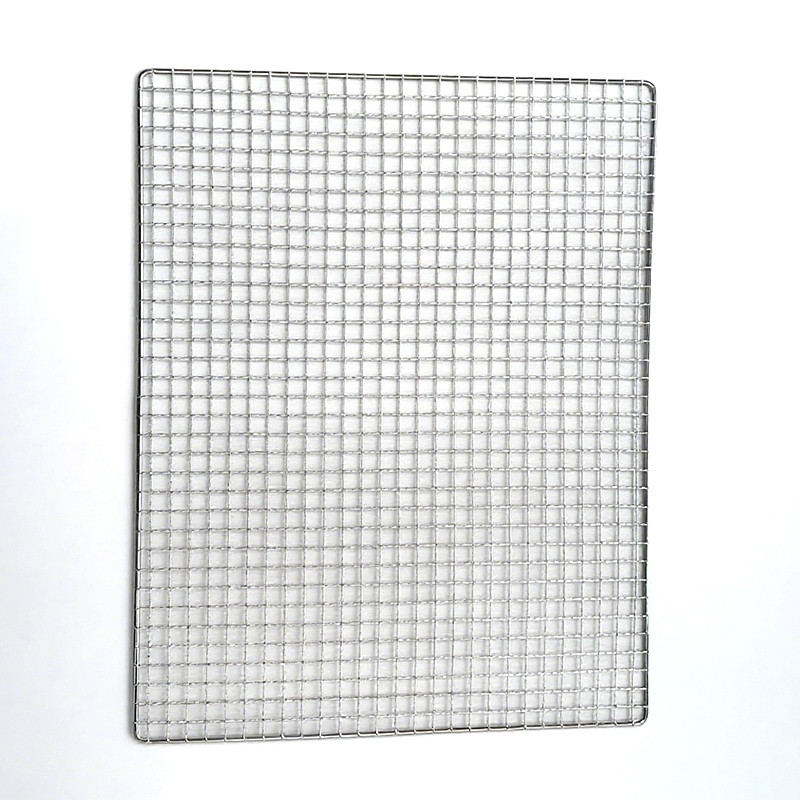
For stubborn residue, soaking works best. Prepare a large container with warm water (40-50°C) and food-grade alkali (10:1 ratio), fully submerge the grate, adjusting soak time (30 mins to 2 hours) based on residue severity. The alkaline environment breaks down grease molecules. For carbonized residue, sprinkle flour after soaking to absorb remaining grease, then rinse. This suits stainless steel and iron grates without structural damage.
Post-cleaning care directly impacts grate longevity. After drying stainless steel grates, apply a thin layer of food oil (e.g., rapeseed/peanut oil) and air-dry in shade to form a protective film that prevents oxidation. Iron/chrome grates demand meticulous drying—use absorbent cloths first, then cold air blowers (1-2 mins) to eliminate moisture in crevices before oiling. Store hung in dry, ventilated areas away from sinks/stoves.
Special residues need unique techniques. For sugar-based stains (honey/syrup), soak in warm water to dissolve before wiping. Light rust on stainless steel can be removed with 10-minute vinegar soak; iron grates require fine sandpaper polishing before rust-proof paint touch-ups. Commercial grates need weekly deep cleaning: boil with water and lemon slices for 10 minutes to dissolve grease and deodorize.
Mastering these techniques keeps grill grates hygienic and extends lifespan—3-5 years for stainless steel, 1-2 years for iron—saving replacement costs while ensuring food safety. Remember: cleaning isn’t just washing; it’s systematic work combining material properties, residue types, and scientific methods for worry-free barbecues.

Leave us a message