



News & Information
When grilling outdoors or at home, grill grates are indispensable tools. The most common materials for grates on the market are stainless steel and iron wire, which may appear similar but offer significantly different user experiences and suitability for various scenarios. Understanding their differences helps us make more informed choices based on specific needs.
From a material perspective, stainless steel grill grates primarily consist of iron-chromium alloys, with some models adding nickel or molybdenum to form a stable oxide layer that effectively resists air and moisture corrosion. Iron wire grates, however, are typically made of low-carbon steel and may undergo surface treatments like galvanization for temporary rust prevention. Once the coating wears off, the base steel is exposed. This fundamental difference determines their rust resistance: stainless steel grates remain rust-free even in humid conditions for weeks and stay clean after washing despite oil or marinade contact, while iron wire grates may develop rust stains within days if not fully dried and eventually leach rust into food, affecting taste and hygiene.
Heat resistance and structural integrity are core performance metrics. Stainless steel melts above 1300°C, maintaining stability in charcoal/gas grill high-heat environments (typically 300-600°C) without warping or cracking even after repeated use. Thicker stainless steel grates can support heavy foods like large meat cuts or whole poultry. Iron wire grates perform poorly under high heat—excessive temperatures soften and deform them, particularly at edges where food may slip off. Prolonged high-heat exposure also causes iron to become brittle through decarburization, leading to breakage after limited use.
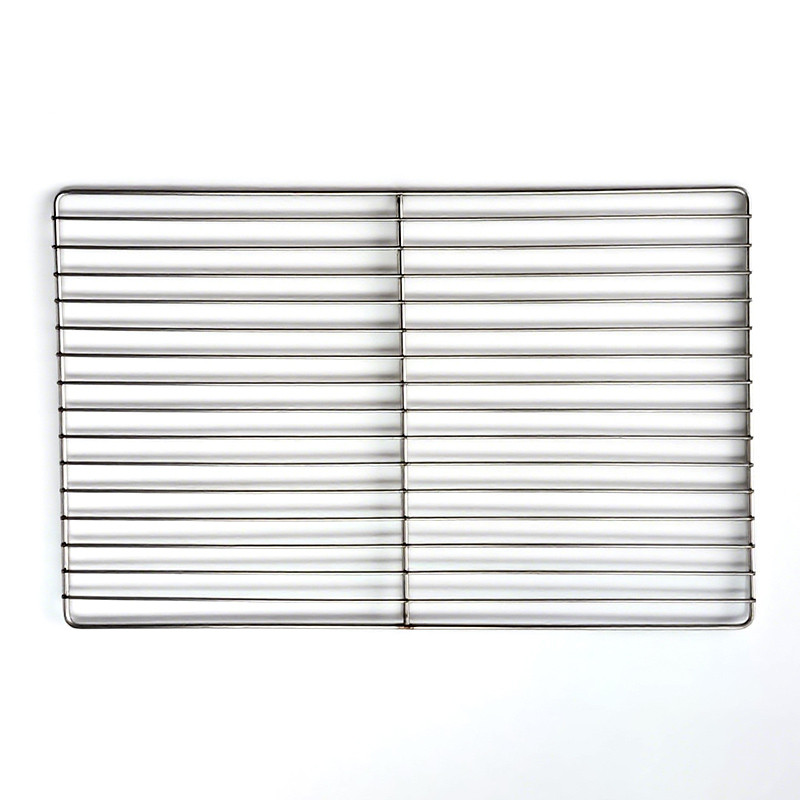
Cleaning and maintenance further differentiate them. Stainless steel's smooth surface resists grease buildup; post-use cleaning requires just warm water and detergent, with stubborn stains removable via gentle steel wool scrubbing without surface damage. It withstands repeated washing for years of use. Iron wire grates' thin coating degrades during vigorous cleaning, accelerating rust formation. Incomplete cleaning leaves oil residues that carbonize during subsequent use, creating unsightly black marks that affect food presentation. Additionally, iron grates demand immediate drying and food-grade oil coating after each wash, increasing maintenance effort and cost.
Stainless steel excels in safety and health benefits. Premium stainless steel remains chemically stable at high temperatures, releasing no harmful substances or reacting with acidic/alkaline ingredients, allowing direct food contact. Iron wire grates' zinc coating may decompose under heat, releasing zinc ions—especially when scratched or rusted—posing long-term health risks through metal migration into food. For households or commercial settings prioritizing food safety, stainless steel is the reliable choice.
Cost-wise, iron wire grates are typically 1/3 to 1/2 the price of stainless steel, suitable for occasional use like outdoor picnics or one-time events where disposal afterward is acceptable. However, stainless steel proves more economical long-term, especially for frequent home grillers or barbecue businesses, eliminating repetitive replacement costs and hassle.
Usage scenarios also differ markedly. Stainless steel suits long-term applications demanding hygiene and durability—daily home grilling, restaurant kitchens, or food stalls—where consistent performance matters. Iron wire works better for temporary needs or budget constraints, like camping trips where portability and minimal cleaning are priorities.
In summary, both materials have merits. Choose stainless steel for durability, safety, and long-term value; opt for iron wire as a transitional solution for rare use or short-term cost savings. Matching grates to actual needs ensures smoother, safer grilling experiences.

Leave us a message